For tourists in Malaysia, Malaysia looks like a mess.
But it is a positive mess!
Additionally, it brings together a blend of Malay, Chinese, Indian, and Indigenous cultures, placing modern skyscrapers right alongside ancient rain forests.
The true essence of our culture is built on that mess.
When different cultures clash, they can generate a land of true diversity and inclusivity!
Let’s begin our journey.
Practical Logistics & Essentials
Practical logistics and essentials are covered.
When you plan your trip, consider a few basic logistics.
Therefore, this will make your experience smoother.
- When to Visit: The timing depends on which coast you want to explore. Visit between November and March for the West Coast, where you can enjoy spots like Penang and Langkawi. If you want to visit the East Coast islands like Perhentian and Tioman, plan your trip between April and September for the best beach weather.
- Transport: Getting around the country is easy. Download the Grab app on your phone for quick ride-hailing in cities. When you arrive at the airport, jump on the KLIA Ekspres train to reach Kuala Lumpur city center in under 30 minutes.
- Currency: We use the Malaysian Ringgit (MYR). Credit cards work fine in big shopping malls and hotels. However, carrying cash is essential when you explore local night markets and street food stalls!
Must-Visit Destinations
Malaysia has many amazing spots.
However, here are three distinct regional highlights you should add to your list.
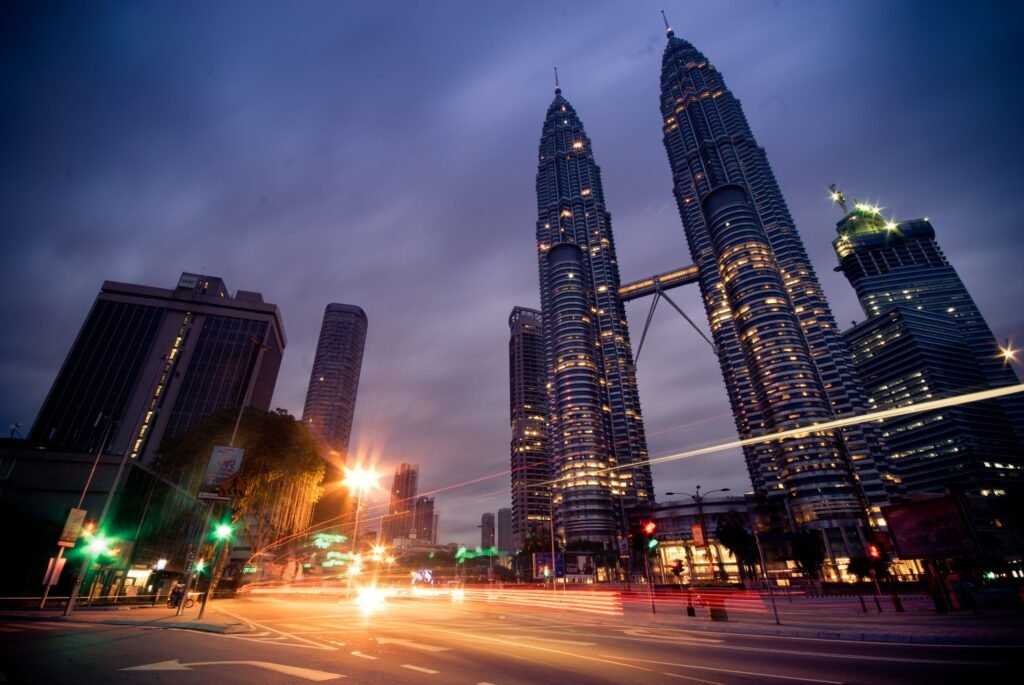
- Kuala Lumpur: The capital is a bustling metropolis. Stand beneath the iconic Petronas Twin Towers, climb the colorful steps at Batu Caves, and dive right into the vibrant Bukit Bintang nightlife.
- Penang (George Town): This UNESCO Heritage town is famous worldwide. You can spend hours exploring its famous street art lanes and eating world-renowned street food.
- Malaysian Borneo (Sabah and Sarawak): Head across the ocean to Borneo if you love nature. You can visit wildlife sanctuaries to see wild orangutans, go rain forest trekking, or tackle the hike up Mount Kinabalu.
Food & Cultural Etiquette
Food is a huge part of our life. Moreover, our local customs are easy to follow.
- Must-Try Dishes: You cannot leave without trying Nasi Lemak, our famous coconut rice dish with spicy sambal. You should also try Char Kway Teow (smoky stir-fried noodles) and flaky, hot Roti Canai with curry.
- Etiquette: Always remove your shoes before entering homes, temples, and mosques. Remember to dress modestly by covering your shoulders and knees when visiting religious sites. Lastly, use your right hand when giving or receiving items, as it is a traditional mark of respect.
Whether you’re seeking high-end shopping, deep-jungle adventures, or a culinary journey, Malaysia delivers all three.
And it does so without breaking the bank.
Pack lightweight clothes and bring a big appetite.
For tourists in Malaysia, prepare for one of the most welcoming destinations in Asia.
Selamat datang ke Malaysia!
It’s great to hear that you’ve chosen to visit Malaysia.
Moreover, Malaysia is among the most diverse destinations in the region.
For lots of foreigners, Malaysia looks like a mess.
However, it is a positive mess.
It brings together a blend of Malay, Chinese, Indian, and Indigenous cultures.
It places modern skyscrapers right alongside ancient rain forests.
The true essence of our culture is built on that mess.
When different cultures clash, they can generate a land of true diversity and inclusivity.
Let’s begin our journey.
Practical Logistics & Essentials
Plan your trip carefully.
Additionally, a few basic logistics will make your experience much smoother.
- When to Visit: The timing depends on which coast you want to explore. Visit between November and March for the West Coast, where you can enjoy spots like Penang and Langkawi. If you want to visit the East Coast islands like Perhentian and Tioman, plan your trip between April and September for the best beach weather.
- Transport: Getting around the country is easy. Download the Grab app on your phone for quick ride-hailing in cities. When you arrive at the airport, jump on the KLIA Ekspres train to reach Kuala Lumpur city center in under 30 minutes.
- Currency: We use the Malaysian Ringgit (MYR). Credit cards work fine in big shopping malls and hotels. However, carrying cash is essential when you explore local night markets and street food stalls!
Must-Visit Destinations
Malaysia has so many amazing spots, but here are three distinct regional highlights you should definitely add to your list:
- Kuala Lumpur: The capital is a bustling metropolis. Stand beneath the iconic Petronas Twin Towers, climb the colorful steps at Batu Caves, and dive right into the vibrant Bukit Bintang nightlife.
- Penang (George Town): This UNESCO Heritage town is famous worldwide. You can spend hours exploring its famous street art lanes and eating world-renowned street food.
- Malaysian Borneo (Sabah and Sarawak): Head across the ocean to Borneo if you love nature. You can visit wildlife sanctuaries to see wild orangutans, go rain forest trekking, or tackle the hike up Mount Kinabalu.
Food & Cultural Etiquette
Food is a huge part of our life, and our local customs are simple to follow:
- Must-Try Dishes: You cannot leave without trying Nasi Lemak, our famous coconut rice dish with spicy sambal. You should also try Char Kway Teow (smoky stir-fried noodles) and flaky, hot Roti Canai with curry.
- Etiquette: Always remove your shoes before entering homes, temples, and mosques. Remember to dress modestly by covering your shoulders and knees when visiting religious sites. Lastly, use your right hand when giving or receiving items, as it is a traditional mark of respect.
If you’re a group of tourists in Malaysia, you can enjoy high-end shopping, deep-jungle adventures, or an unforgettable culinary journey. Moreover, Malaysia delivers all three without breaking the bank. Pack lightweight clothes, bring a big appetite, and prepare for one of the most welcoming destinations in Asia.
Learn more about Kitahub