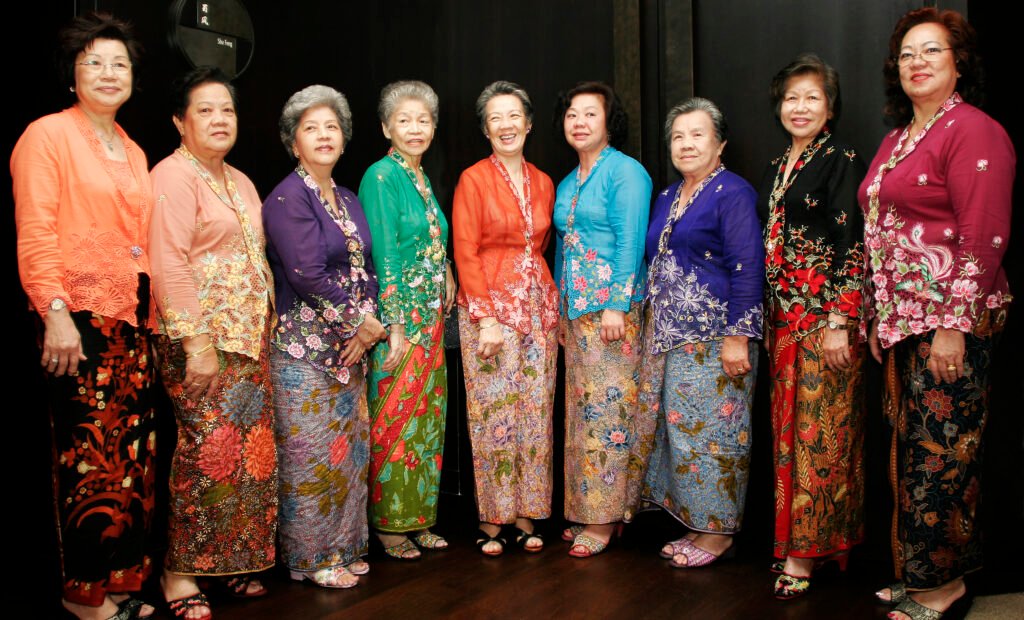
On any given Thursday morning, hundreds of thousands of civil servants leave their suits in the closet and head to the office in vibrantly colored Batik. It’s a textile so highly regarded that everyone from Nelson Mandela at the United Nations to world leaders at the G20 summit swapped their tailored suits to wear it on the global stage.
While batik serves as a vibrant alternative to plain suits, its lively appearance hides a much deeper story. Beneath the bright patterns lies a history of struggle, colonial exploitation, and the incredible resilience of local artisans.
The Colonial Counterfeit of Batik
In the 19th century, during one of the darkest eras of Malaysian history, colonizers treated the Malay peninsula like a private bank where they could take whatever they wanted. European colonizers—particularly the Dutch—realized just how lucrative the local textile industry was. Instead of continuing to trade fairly, they set out to monopolize it.
In the 1830s, European textile manufacturers invented copper-roller machines to mass-produce cheap, resin-printed imitations of traditional hand-drawn batik. They believed that flooding the Malay peninsula with these cheap factory fabrics would completely cut off financial avenues for local artisans.
However, the scheme backfired. Local buyers instantly recognized the European machine-prints as inferior counterfeits and refused to buy them. This rejection highlighted both the resilience of local artisans and Malaysians’ exceptionally high standards for fabric art.
Royal Patronage and Post-War Revival
World War II brought batik production to a near-halt. Immediately after the war, local Sultans stepped in to fund workshops across the East Coast states of Kelantan and Terengganu. They recognized that the craft was dying and desperately needed financial backing to survive and grow.
During this period, local artisans also began experimenting with copper stamps inspired by Javanese methods. These stamps sped up production significantly while preserving the fabric’s handcrafted essence.
The 2000s Renaissance
Despite a boom following independence, demand dipped again in the 1990s when cheap, machine-printed fabrics flooded the market. The industry found its second wind in 2003 through a massive national campaign: “Malaysian Batik—Crafted for the World.”
Spearheaded by the late Datin Paduka Seri Endon Mahmood, wife of former Prime Minister Tun Abdullah Ahmad Badawi, the movement aggressively promoted the nyonya kebaya and batik globally. Her efforts revived international interest and made the fabric fashionable for younger generations once again.
Today, government policy encourages civil servants and private-sector workers to wear batik to the office every Thursday. Meanwhile, a new wave of contemporary designers—such as Kapten Batik and FERN—has adapted traditional floral motifs and vibrant colors into modern streetwear.
Why Batik Matters Today
Today, Malaysian batik has completely transcended its reputation as a mandatory Thursday office uniform. It has evolved into a powerful statement of national identity and artistic resilience. From government officials in UN ballrooms to newlyweds in wedding halls, wearing batik demonstrates Malaysia’s unique culture and values.
A new generation of local designers drives this transition from formal necessity to everyday lifestyle. By blending ancient mencanting (wax-drawing) techniques with contemporary silhouettes, soft pastel palettes, and breathable fabrics, they have made batik highly sought after by younger Malaysians.
It is no longer just a nod to the past—it is a living, breathing art form. Wearing batik today is an active choice to celebrate Malaysian heritage, proving that a centuries-old tradition can still dictate modern style.
Learn more about our website
Frequently Asked Questions
Why do Malaysian civil servants wear batik on Thursdays?
Government policy encourages public and private employees to wear batik every Thursday to promote national identity and local craftsmanship.
How did local buyers defeat 19th-century European counterfeits?
Malaysian buyers instantly spotted cheap factory prints and refused to buy them, preserving the traditional industry.
Who led the batik renaissance in 2003?
Datin Paduka Seri Endon Mahmood launched a national campaign that successfully restored international interest in Malaysian batik.
How do modern designers update traditional batik?
Contemporary labels mix ancient wax-drawing techniques with modern streetwear cuts, pastel colors, and lightweight fabrics.