Few Asian capitals have changed as much in the last seven decades as Kuala Lumpur. What started in 1857 as a trading post where the Klang and Gombak rivers meet became, on the eve of Malaya’s independence in the mid-1950s, a small colonial town with about 316,000 people. Seventy years later, Greater Kuala Lumpur has grown into an economic center with almost 9 million people. It has tall buildings, trains that connect different parts of the city, and areas where old buildings are being fixed up and used again.
Looking at how Kuala Lumpur changed from 1956 to 2026 shows a path of building a new country after being a colony, growing fast, trying big buildings, and now focusing more on green and easy-to-get-around cities.
1956–1969: Independence, Building a Nation, and Early Suburbs
In the 1950s, the skyline of Kuala Lumpur had buildings that were two or three stories high, shops made of bricks, and old buildings from the British period like the Sultan Abdul Samad Building. When Tunku Abdul Brahman said that Malaya was free at Stadium Merdeka on August 31, 1957, the city became the center of a country.
The city started to grow because people moved from the country to the city and the government wanted to control things better. To help with the areas and places where people lived without proper homes, planners looked to build new areas:
- Early Suburbs: The first new town was called Petaling Jaya. It was built in 1953, 12 kilometers from the city center. It started as a place for people to live, and soon became a busy suburb where people worked and lived. It set a model for areas around the Klang Valley.
- New National Landmarks: The new buildings showed what the country wanted to be. The Parliament House, the National Museum, and the National Mosque were built in the 1960s.
- Expanding City Limits: The city grew and took in villages, making the number of people in the city go over 400,000.
1970–1989: Becoming a City, a Federal Territory, and a Place for Industry
The 1970s and 1980s were a time when the city started to plan its growth properly. As Malaysia tried to make money by selling goods to other countries, the Klang Valley became a place where factories and businesses were built.
Three big changes happened in the city during this time:
- City Status (1972): The city got city status on February 1, 1972. That meant it was the first city in Malaysia after independence.
- Federal Territory (1974): The city was also split from the state of Selangor to become an area called the Federal Territory in 1974. The size of the city grew from 93 square kilometers to 243 square kilometers.
- The 1984 City Plan: The city plan from 1984 told the city to build places to spread out. These were called Damansara, Wangsa Maju, Bukit Jalil, and Bandar Tun Razak.
The city also started to have buildings like Kompleks Dayabumi and Menara Maybank. These buildings showed that the city was becoming a place where big companies and banks wanted to be.
1990–2009: Big Projects and Rising High
The 1990s made Kuala Lumpur known around the world. More money and a plan called Vision 2020 helped the city grow, and big projects made Kuala Lumpur look like a modern global city:
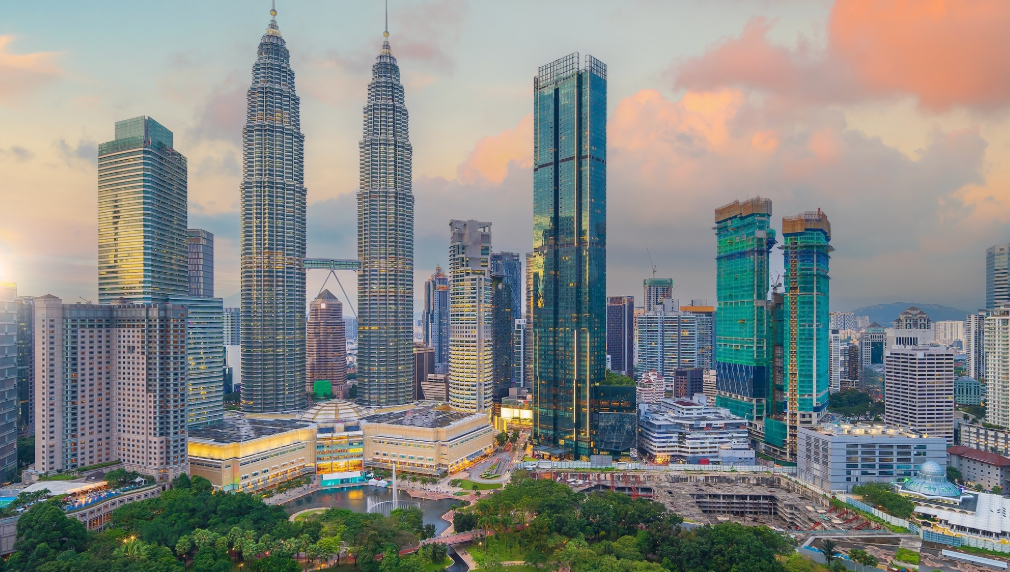
- The Petronas Twin Towers: Built in 1998, they were the tallest buildings in the world at that time. The area around them had offices, shops, and a big park.
- Global Connections: The city also built a tower called Menara KL and an airport called KLIA. These things made the city a place where people from other countries could come easily.
- Putrajaya and Cyberjaya: The government moved some offices to a place called Putrajaya, and another place called Cyberjaya helped the city get into the digital world.
- Early Rail Transit: The city also started to build trains to help people move around. The first ones were the LRT and then a monorail.
2010–2019: Trains and Keeping Old Buildings
In the 2010s, the city had too much traffic and had spread out too much. Planners tried to fix these problems by building trains and making the old parts of the city better.
The MRT Kajang Line started in 2016, helping people move from the suburbs to the center of the city. At the same time, the city worked on making the rivers clean and nice to walk by. The River of Life project made a part of the rivers into a place for people to enjoy.
2020–2026: Tall Buildings, Money, and a Green Future
In the mid-2020s, the city is changing in a way that shows it wants to be a great place to live:
- Menara Merdeka Maybank: Standing at 678.9 meters, this skyscraper is the second-tallest in the world and sits right near the place where the city started.
- Tun Razak Exchange (TRX): There is also a place called the Tun Razak Exchange, which is a hub for money and shopping.
- Expanded Rail and KLSP 2040: The city is adding trains to help people move around, while the city plan called KLSP 2040 wants the city to be a place to live with green areas, cheaper homes, and ways to move without cars.
70 Years of Change in Brief
| Size of the City | 1956–1957 (Time of Independence) | 1990s (Time of Big Projects) | 2026 (Modern City) |
| Population | About 316,000 (City) | About 1.3 million (City) / about 4 million (Metro) | About 2.1 million (City) / more than 8.8 million (Greater KL) |
| Important Buildings | Sultan Abdul Samad Building, Stadium Merdeka | Petronas Twin Towers, Menara KL, KLIA | Menara Merdeka Maybank (678.9m), The Exchange TRX |
| Economy | Tin and rubber trade, government work | Manufacturing, businesses, technology | Global finance, technology, tourism, green economy |
| How People Move Around | Buses, bikes, early roads | Highways, early trains, trains that run on tracks | Integrated trains, buses that run on electricity, and new places to walk |
| Planned Focus | Homes after the war and early new places (Petaling Jaya) | Making the city famous and spreading out to the suburbs | Growing the train network, fixing the rivers, and using the KLSP 2040 plan |
Frequently Asked Questions About How Kuala Lumpur Grew
When did Kuala Lumpur officially become a city?
Kuala Lumpur became a city on February 1, 1972. Two years later, on February 1, 1974, it became an area separate from the state of Selangor.
How much has the population grown in Kuala Lumpur in the last 70 years?
In 1957, when the country became free, it had about 316,000 people. Now, the Federal Territory of Kuala Lumpur has more than 2 million people, and the bigger area called Greater Kuala Lumpur has more than 8.8 million people.
What are the important buildings in Kuala Lumpur?
Important buildings come from every time period. There are buildings from the British time like the Sultan Abdul Samad Building, buildings from when the country was new like the Parliament House and the National Mosque, buildings from the 1990s like the Petronas Twin Towers, and new places from the 2020s like The Exchange TRX and Menara Merdeka Maybank.
How is Kuala Lumpur making the city better for everyone now?
The city is trying to build more trains, make the roads better for people who use them, and make the city greener. They are also trying to fix the rivers and make the city a better place to live.
Over 70 years, Kuala Lumpur has grown from a small town on a river to one of the most exciting cities in Asia. The city is special because it has places like small coffee shops and old mosques right next to new tall buildings. As the city moves toward its goals for 2040, the next part of its story will show how well it can help people keep its history and be good for the environment.